Introduction
Facing a neurological diagnosis can feel like standing at the edge of an unknown path, where every choice carries deep personal weight for you and your family. When someone you love needs specialized medical attention, the search for answers often brings a mix of hope, worry, and uncertainty. Finding the right hospital or specialist is not just a logistical task; it is about finding a trusted team that will listen, care, and guide you through a vulnerable moment with steady hands. Exploring your options, understanding different treatment paths, and learning what to look for can help bring a sense of peace to an overwhelming journey. Platforms like BrainSurgeryHospitals are designed to walk alongside patients and families, helping you research and explore hospitals and neurosurgeons based on location, specialty, and unique care needs.
Why Choosing the Right Brain Surgery Hospital Matters
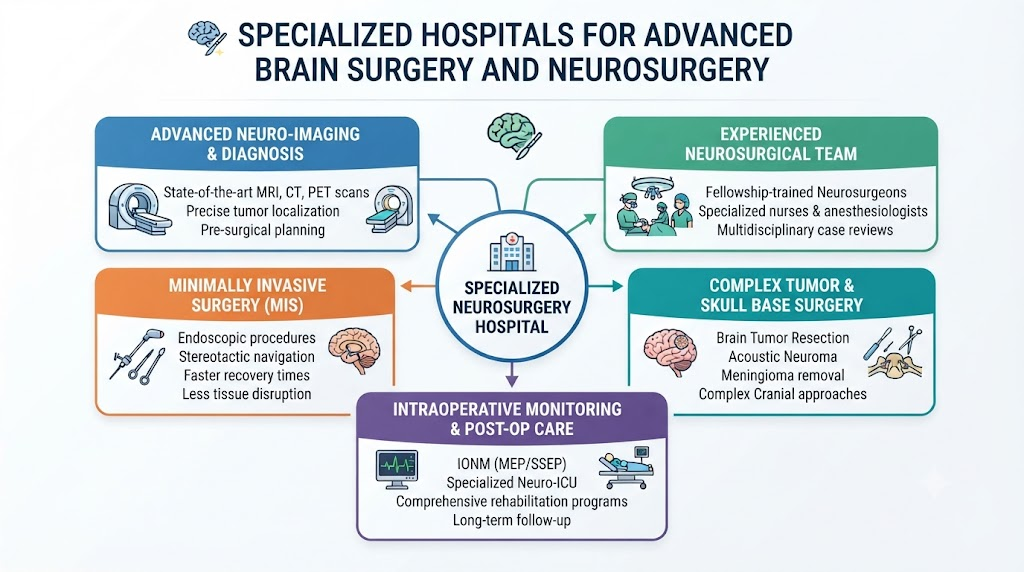
Deciding where to receive neurological care is one of the most significant health choices a family can make. A hospital is much more than a building; it is a healing environment powered by technology, teamwork, and dedicated professionals who hold people’s lives in their hands. When looking at brain surgery hospitals, patients and families benefit from understanding what makes a facility truly equipped to handle delicate neurological needs.
- Neurosurgical Expertise: Experienced medical teams bring steady judgment and refined skills gained from managing complex conditions every day.
- Advanced Diagnostics: Clear, high-resolution imaging tools allow doctors to see the full picture before planning any intervention.
- Supportive Hospital Infrastructure: Dedicated intensive care units and specialized nursing staff ensure safety and comfort during the critical hours after a procedure.
- Collaborative Care: When neurosurgeons, neurologists, and support specialists work closely together, patients receive well-rounded attention.
- Proximity and Comfort: Choosing a facility that balances quality care with reasonable distance from home helps reduce travel stress for families.
- Rehabilitation Support: Compassionate physical, occupational, and speech therapy teams help patients regain their independence and rebuild their strength over time.
How to Compare Neurosurgery Hospitals
Comparing medical centers can feel intimidating when you are not sure what details actually matter for your health. Instead of getting lost in marketing claims or general reputation scores, it helps to focus on the elements that directly impact patient safety and comfort.
When reviewing neurosurgery hospitals, look closely at whether the facility regularly treats conditions similar to yours. Check if they offer a supportive environment where doctors take the time to answer questions and explain procedures in plain language. A thoughtful comparison also means looking at the availability of comprehensive support services—from initial diagnostic testing all the way through post-treatment recovery and follow-up care.
How to Find Experienced Brain Surgeons and Neurosurgeons
Behind every successful medical procedure is a human being who has dedicated their life to mastering the delicate anatomy of the brain and spine. Finding the right specialist is deeply personal; you want someone whose technical skill is matched by genuine empathy and clear communication.
When researching brain surgeons and neurosurgeons, look into their professional background, their experience with your specific condition, and the hospital communities they belong to. A truly caring specialist will welcome your questions, listen to your worries with patience, and explain treatment plans in a way that helps you feel heard and respected throughout your care journey.
Finding Brain Tumor Surgery Hospitals
Hearing a brain tumor diagnosis can stop you in your tracks, leaving families searching desperately for guidance, reassurance, and expert care. Finding a facility that approaches tumor care with both advanced science and deep human compassion is vital.
When exploring brain tumor surgery hospitals, families should look for centers that offer comprehensive diagnostic tools, experienced surgical teams, and integrated emotional or physical support services. It is important to remember that every tumor is unique, and treatment depends heavily on its type, size, location, and the overall health of the individual. A careful evaluation by a trusted specialist is always the gentle first step toward understanding your options.
Understanding Brain Tumor Treatment Options
Navigating treatment for a brain tumor can feel complex, but understanding that care is always tailored to the individual can bring a sense of relief. Medical teams look at every detail of a patient’s health and diagnostic scans before recommending a path forward.
General approaches to brain tumor treatment often include:
- Careful Monitoring: Regular check-ins and imaging scans to watch stable conditions safely over time.
- Surgical Intervention: Procedures performed with precision to safely remove as much of the tumor as possible while protecting healthy tissue.
- Radiation Therapy: Using focused energy treatments to target and control tumor growth.
- Targeted Medications: Drug therapies designed to address specific characteristics of certain tumors.
- Supportive Care: Therapies focused on managing symptoms and protecting everyday quality of life.
Every treatment plan is deeply personal and should always be decided in close partnership with a qualified medical team.
What to Know About Brain Aneurysm Surgery
Learning about a brain aneurysm can bring sudden worry, but understanding what it is and how specialists evaluate it can help ease some of that anxiety. An aneurysm is a gentle bulge in a blood vessel wall in the brain, and specialists carefully study its shape, size, and location to determine the safest path forward.
Treatment discussions for brain aneurysm surgery may involve monitoring with imaging, surgical clipping, or minimally invasive catheter-based procedures. Not every aneurysm requires immediate surgery, and decisions are always made with careful consideration of individual risks. If you or a loved one ever experience sudden, severe neurological symptoms, seek emergency medical care right away. Knowing your options helps you feel more prepared when discussing care plans with your doctor.
Understanding Epilepsy Surgery
Living with seizures that do not respond well to medications can test the patience and resilience of any individual and their family. When medications are no longer enough, an evaluation for epilepsy surgery may offer a new avenue of hope.
This path involves a thorough evaluation by a specialized team using advanced brain mapping, prolonged monitoring, and imaging to find the exact source of the seizures. Surgery is never a universal answer and is only considered when specialists can safely locate the seizure focus. A compassionate medical team will guide you through what the evaluation involves, ensuring you understand both surgical and non-surgical possibilities.
Minimally Invasive Brain Surgery
The thought of brain surgery naturally brings fear of large incisions and long recoveries. Fortunately, medical advancements have introduced gentler approaches that prioritize tissue preservation and faster healing for suitable candidates.
Minimally invasive brain surgery utilizes specialized microscopic tools, high-definition visualization, and advanced imaging guidance to reach targeted areas through smaller pathways. While these techniques can offer meaningful benefits for certain conditions, they are not appropriate for everyone. A thorough, individualized assessment by a neurosurgeon ensures that the chosen approach prioritizes the safety and well-being of the patient above all else.
When a Neurosurgery Second Opinion May Help
Making a major medical decision for your brain or spine can leave you questioning whether you have all the facts. Seeking a neurosurgery second opinion is not a sign of doubt in your current doctor; rather, it is a loving and proactive way to ensure you feel completely confident in your care plan.
Another qualified specialist can review your imaging scans, talk through your diagnosis, and confirm or expand upon proposed treatment options. Taking this extra step gives families peace of mind, knowing they have explored every perspective before moving forward with treatment.
How Location, Specialty, and Treatment Needs Affect Your Choice
No two people share the same medical story, which means the right hospital choice is deeply personal. Your decision will naturally weave together your medical needs, your lifestyle, and practical considerations like travel and family support. Someone facing a complex tumor may look for a specialized oncology center close to comprehensive support systems, while someone exploring aneurysm care may focus on specialized vascular expertise. Balancing your medical requirements with what feels manageable for your family helps you find a comforting environment for healing.
What Questions Should You Ask Before Choosing a Neurosurgical Hospital?
Having a heartfelt conversation with your medical team helps build trust and ensures you feel informed every step of the way. Consider asking these questions during your consultations:
- How often does the neurosurgeon perform this specific procedure?
- What kind of specialized intensive care support does the hospital provide for recovery?
- Are diagnostic services conveniently accessible within the facility?
- What treatment options are available for this specific diagnosis?
- What can we expect during the rehabilitation and healing process?
- How does the team coordinate follow-up care once the patient returns home?
- Does the hospital regularly welcome and care for patients with similar conditions?
- What amenities and support services are available for visiting family members?
- How will the medical team keep our family informed throughout the care process?
- What gentle preparations should we focus on before hospital admission?
How BrainSurgeryHospitals Helps People Research Their Options
Navigating healthcare choices can feel lonely, but having a trusted guide makes all the difference. BrainSurgeryHospitals is built to be a comforting bridge for patients and families, helping you explore hospitals and specialists related to brain surgery and neurological care with ease.
The platform allows you to gently research options based on your location, your unique condition, and the type of neurosurgical care you need. Whether you are looking into brain tumor surgery hospitals, comparing neurosurgeons, or researching care for aneurysms and epilepsy, the website brings clarity to your search. By organizing essential information in one place, BrainSurgeryHospitals empowers you to make informed, calm decisions alongside your healthcare team.
Neurosurgical Care Comparison Table
| Neurosurgical Need | Things to Check |
| Brain Tumor Care | Neurosurgical expertise, diagnosis, treatment options, follow-up |
| Brain Aneurysm | Imaging, specialist expertise, treatment approaches, monitoring |
| Epilepsy Surgery | Specialist evaluation, seizure testing, treatment options, follow-up |
| Minimally Invasive Surgery | Relevant expertise, available techniques, patient suitability |
| Second Opinion | Medical records, imaging, diagnosis, treatment recommendations |
Neurosurgical Care Overview Chart
[Diagnostic Evaluation] ──> [Specialist Consultation] ──> [Treatment Planning] ──> [Care Execution & Recovery]
       │                            │                            │                            │
       ├─ Imaging Scans             ├─ Neurosurgeon Review       ├─ Observation / Monitoring  ├─ Surgical or Medical Care
       ├─ Neurological Tests        ├─ Multidisciplinary Input   ├─ Minimally Invasive Options├─ ICU & Hospital Support
       └─ Patient History Review    └─ Second Opinion (Optional) └─ Open Surgical Options     └─ Rehabilitation & Follow-Up
Frequently Asked Questions — Primary FAQs
1. What should I look for when researching brain surgery hospitals?
Look for compassionate specialist expertise, advanced diagnostic imaging, dedicated intensive care support, and thoughtful post-treatment rehabilitation services.
2. How do neurosurgery hospitals differ from general hospitals?
Specialized facilities often feature dedicated neuro-intensive care units, specialized surgical teams, and advanced technology focused exclusively on neurological health.
3. What matters most when choosing brain tumor surgery hospitals?
Prioritize centers with experienced neuro-oncology teams, advanced imaging capabilities, and coordinated support services for patients and families.
4. What qualifications should I check in brain surgeons?
Look at their board certification, specialized fellowship training, experience with your condition, and their willingness to communicate openly with you.
5. How do I choose between different neurosurgeons?
Consider their bedside manner, clinical experience, how clearly they explain procedures, and whether you feel a sense of trust when talking with them.
6. What does brain tumor treatment typically involve?
Treatment varies by tumor type and location, ranging from careful monitoring and surgical removal to radiation or medication-based care.
7. Is surgery always required for a brain aneurysm?
Not always; specialists carefully weigh the size, location, and individual risk factors to decide whether monitoring or surgical intervention is safest.
8. When is epilepsy surgery considered by doctors?
It may be explored when medications do not control seizures and testing successfully identifies the specific brain area causing them.
9. What are the benefits of minimally invasive brain surgery?
These advanced techniques can sometimes allow access through smaller openings, supporting a smoother recovery for patients who are eligible.
10. Why might someone seek a neurosurgery second opinion?
A second opinion offers reassurance, confirms diagnoses, and explores alternative perspectives so families feel confident before moving forward.
11. How can I compare neurosurgical hospitals effectively?
Focus on your specific medical needs, the expertise of the doctors, available technology, geographic convenience, and supportive follow-up care.
12. How does BrainSurgeryHospitals assist patients and families?
The platform helps you research hospitals, explore specialists by location and condition, and understand available care options before your doctor visits.
Frequently Asked Questions — Related FAQs
13. What steps can I take before visiting a neurosurgical hospital?
Gather your medical files, imaging scans, a list of current medications, and a written list of questions for your care team.
14. How does hospital location affect my neurosurgical care choice?
Proximity to home can keep travel stress low, making regular follow-up visits much easier for you and your family.
15. What diagnostic facilities are essential in brain surgery hospitals?
High-resolution imaging tools like MRI and CT scans are vital for accurate diagnosis and safe treatment planning.
16. How are brain tumor care plans personalized?
Specialists design plans based on the tumor’s unique features, location, and the patient’s overall health and personal preferences.
17. What should I expect during a brain aneurysm evaluation?
Doctors use specialized blood vessel imaging to examine the aneurysm closely and determine the safest path for your health.
18. What tests are used during an epilepsy surgery evaluation?
Evaluations often involve video-EEG monitoring, mapping studies, and detailed brain imaging to understand seizure patterns.
19. Are all patients eligible for minimally invasive brain procedures?
Eligibility depends entirely on the specific nature of the condition and the clinical judgment of the neurosurgeon.
20. What kind of follow-up care is needed after neurosurgery?
Follow-up typically includes check-ups with your surgeon, periodic imaging, and supportive rehabilitation therapies to help you regain strength.
Final Thoughts
Stepping through a neurological challenge takes immense courage, but you do not have to walk the path alone. Taking the time to research hospitals, understand specialist experience, and weigh your treatment options ensures that you and your family are treated with the respect and care you deserve. Because every person’s medical journey is beautifully unique, finding a comforting environment makes all the difference in healing. Platforms like BrainSurgeryHospitals are here to help you research and compare neurosurgical hospitals and specialists with confidence and peace of mind. Always share your heart and concerns with a qualified neurosurgeon or trusted healthcare professional to find the safest, most supportive path forward.
