Introduction
There is a distinct kind of magic that happens when you catch the aroma of a simmering pot or a freshly baked loaf of bread. It instantly transports you back to a sunny afternoon in a family kitchen, surrounded by laughter and the comforting hum of conversation. These moments are rarely about fancy dining; they are tied to traditional recipes that have been whispered across kitchen tables for generations. Yet, as our modern lives move faster by the day, many wonderful dishes and lost recipes quietly slip away into the background. Reclaiming these forgotten culinary treasures is not just about cooking dinner—it is about preserving our shared history and bringing warmth back to our dining tables. Through platforms like Blendz, food enthusiasts can dive deep into fascinating food stories, traditional cooking methods, and vibrant cultural traditions from every corner of the globe.
Why Traditional Cooking Still Holds Our Hearts
Cooking a dish that has been made the exact same way for decades offers a sense of grounding that modern convenience foods simply cannot match. Traditional recipes act as edible history books, telling stories of local geography, seasonal harvests, and the resourcefulness of our ancestors. They remind us how communities came together during harvests, celebrated milestones, and comforted one another through hard times. Far beyond simple instructions, these dishes carry the soul and identity of the people who created them.
The Mystery of the Disappearing Kitchen Classics
It is fascinating to wonder how dishes that were once staples in every household could simply vanish. For centuries, culinary wisdom lived entirely in the minds of home cooks, shared through hands-on lessons rather than printed cookbooks. As families relocated for work, cities expanded, and grocery stores began stocking packaged goods, those informal kitchen tutorials began to fade. Over time, older forgotten recipes were left behind in fading notebooks, replaced by quicker, trendier meals.
The Irreplaceable Magic of Grandmother Recipes
Ask anyone about their favorite childhood meal, and the story usually starts with an older relative who ruled the kitchen with intuition rather than a measuring cup. Grandmother recipes possess a unique charm because they rely on sensory cues—the way a sauce changes color, the scent of toasted spices, or the texture of dough kneaded by experienced hands. These dishes taste like home because they were seasoned with patience, care, and generations of trial and error.
How Geography and Culture Shape Traditional Food Recipes
No two kitchens are alike, and that is especially true when you look at how geography dictates what lands on our plates. Traditional food recipes are living reflections of local climates, available livestock, and native plants. A hearty stew that warms a mountain community looks entirely different from a coastal seafood broth, even if both belong to the same broader culture. Embracing these regional variations reminds us that traditional food is wonderfully diverse rather than rigid.
Peering Back Through Time at Ancient Recipes
When food historians talk about ancient recipes, they are not handing down rigid instructions from a king’s banquet table; they are piecing together clues from archaeological digs, old pottery markings, and surviving texts. Recreating these dishes today takes a bit of imagination and modern testing, but it gives us an incredible window into how ancient humans fed their families, preserved food through harsh winters, and turned simple grains into feasts.
Protecting Our Shared Food Heritage
What we eat is a vital part of who we are. Our food heritage encompasses everything from heirloom seeds and handcrafted clay pots to annual festival feasts and bedtime food stories. Documenting these pieces of culinary culture ensures that valuable survival knowledge and joyful traditions are not lost to time. It gives our children and grandchildren a tangible link to their ancestry, anchored by flavor and shared meals.
The Charm and Challenge of Rare Ingredients
Many time-honored dishes owe their distinct character to rare ingredients that might only grow in specific regions, during narrow seasonal windows. While modern cooks often have to swap out hard-to-find items for grocery store alternatives, understanding the original components helps us respect the integrity of the dish. It teaches us to appreciate the seasonality of food rather than expecting every vegetable to be available year-round.
Celebrating Life Through Festival Food Recipes
Every culture marks the turning of the seasons, religious observances, and community milestones with extraordinary feasts. Festival food recipes are rarely cooked on an ordinary Tuesday; they are saved for moments of collective joy, gratitude, and remembrance. Preparing these elaborate dishes requires patience and teamwork, turning cooking into a vibrant communal ritual that binds families closer together.
A World of Flavor: Traditional Recipes From Around the World
One of the greatest joys of exploring global cuisine is realizing how universally human our love for good food is. Traditional recipes from around the world show incredible ingenuity, proving that people everywhere figured out how to transform basic local ingredients into nourishing art forms. Whether it is slow-simmered curries, handmade pastas, or spiced grain cakes, looking across borders reveals a shared culinary language.
Simple Ways to Keep Old Recipes Alive Today
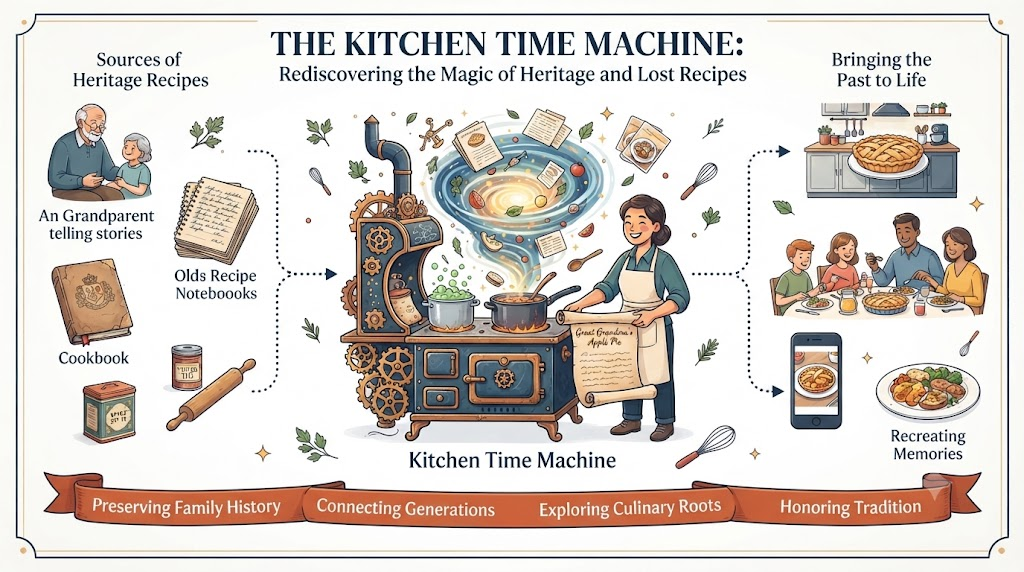
You do not need a professional archiving studio to save your family’s culinary legacy. Preserving your favorite dishes can be as simple as sitting down with older relatives with a voice recorder, jotting down measurements while they cook, or taking photos of well-loved, flour-dusted recipe cards. Creating a small digital or physical family cookbook ensures that your favorite dinner table memories will endure for decades to come.
Finding Inspiration and Stories With Blendz
Exploring culinary history is much more fun when you have a community of fellow enthusiasts to share it with. Platforms like Blendz offer a wonderful space for curious readers to discover engaging food stories, uncover traditional cooking techniques, and explore recipes from diverse cultural backgrounds. It acts as a friendly digital companion for anyone looking to deepen their connection to the history behind their meals.
What Gives a Traditional Recipe Its True Value?
A recipe written on a scrap of paper is just ink and fiber until someone brings it to life in a hot pan. The true worth of a traditional dish lies in the memories it triggers, the comfort it provides on a hard day, and the way it bridges generational gaps. When we cook with intention, we honor the hands that prepared those same meals long before we arrived.
Traditional Recipes vs Modern Recipes
| Aspect | Traditional Recipes | Modern Recipes |
| Ingredients | Often local or regional | May use widely available ingredients |
| Cooking Methods | Traditional techniques | May use modern equipment |
| Measurements | Sometimes flexible | Usually more precise |
| Cultural Connection | Often closely linked to family or community | Can be more experimental |
| Variations | Often shaped by region and family | Often shaped by personal preference |
A Practical Guide to Hunting Down a Lost Family Recipe
Uncovering a recipe that hasn’t been cooked in decades feels like a rewarding treasure hunt. Begin your search by talking to older family members, asking about the smells and tastes of their childhood kitchens. Dig through old boxes, photo albums, and kitchen drawers for handwritten notes. Once you gather your clues, test the dish patiently in your own kitchen, tweaking it until it tastes just like the memories you are trying to honor.
Frequently Asked Questions — Primary FAQs
1. What exactly are traditional recipes?
Traditional recipes are culinary preparations handed down across generations within a community or family, deeply tied to local culture, history, and seasonal produce.
2. Why do certain recipes fade away over time?
Recipes often vanish when cooking instructions are kept only in people’s heads, when families scatter across different cities, or when modern processed foods change eating habits.
3. Why do grandmother recipes hold such a special place in cooking?
They carry immense emotional weight and personal memory, relying on sensory instincts and hands-on practice rather than strict mathematical measurements.
4. How do traditional food recipes reflect local culture?
They incorporate native ingredients, local climate adaptations, and regional customs, painting a vivid picture of how past communities lived and thrived.
5. Are ancient recipes identical to what people eat today?
Not quite; ancient recipes come from distant historical eras and usually require modern kitchen testing to adapt their historical ingredients for contemporary palates.
6. What does the term food heritage mean?
Food heritage encompasses the entire ecosystem of recipes, heirloom ingredients, cooking tools, and oral histories that define a culture’s culinary identity.
7. Why are rare ingredients so vital to heritage cooking?
Uncommon or local ingredients provide the authentic flavor profile that links a recipe directly to the specific landscape where it was originally invented.
8. What purpose do festival food recipes serve in society?
They mark seasonal transitions and cultural celebrations, bringing communities together to share joy and pass down vital traditions to younger generations.
9. Where can I find authentic traditional recipes from around the world?
Platforms like Blendz provide wonderful opportunities to explore global food stories, traditional cooking methods, and diverse cultural dishes.
10. What is the easiest way to start preserving my family’s recipes?
You can start by writing down ingredients while cooking with older relatives, recording family interviews, and organizing loose recipe cards into a safe notebook.
11. Why should we bother saving lost recipes?
Rescuing lost recipes reconnects us with our roots, preserves valuable cultural knowledge, and keeps the comforting flavors of the past alive.
12. How does Blendz support food enthusiasts?
Blendz connects curious minds with rich food narratives, recipe inspiration, and traditional culinary heritage from various cultures worldwide.
Frequently Asked Questions — Related FAQs
13. How were family recipes usually shared before books were common?
They were shared organically through daily kitchen participation, family conversations, and watching experienced cooks prepare meals step-by-step.
14. What should I do if a family recipe has no written measurements?
Cook the dish slowly, note down your ingredient ratios as you go, and adjust the amounts through multiple trials until it matches your memory.
15. Why do neighboring towns often cook the same dish differently?
Local ingredient availability, trade routes, and family preferences lead to unique regional variations of the same foundational recipe.
16. How do festival foods evolve as communities move and change?
As families relocate or ingredients shift, holiday dishes adapt to new environments while fiercely protecting their core cultural and symbolic meaning.
17. Is it acceptable to modify a traditional recipe for modern diets?
Absolutely; home cooks frequently substitute ingredients to fit contemporary dietary needs while still preserving the soul and primary flavor of the dish.
18. How can travelers experience genuine local food culture?
Travelers can strike up conversations with local vendors, explore neighborhood food markets, and seek out small eateries serving authentic regional home-style food.
19. Why is oral storytelling so important for culinary traditions?
Oral histories capture the personal emotions, family anecdotes, and secret kitchen tips that cold measurement charts always leave out.
20. Can contemporary kitchens successfully replicate old-world cooking styles?
Yes, while modern appliances speed things up, cooks can easily use slow-simmering and traditional preparation techniques to achieve authentic, rich flavors.
Final Thoughts
Keeping traditional and forgotten recipes alive is a beautiful way to honor our history while enjoying wonderful meals in the present. Every time we recreate a cherished family dish or learn a new culinary custom, we breathe life back into important cultural stories. These flavors bridge the gaps between generations, reminding us of the deep comfort found in a shared meal. Platforms like Blendz make it easy and inspiring to explore these rich food traditions and uncover new culinary narratives. Take a moment today to speak with your loved ones, write down an old family recipe, and share the warmth of heritage cooking with the people around you.
