Introduction
Addressing concerns related to the urinary tract or male reproductive system requires reliable medical information and access to qualified professionals. Whether researching symptoms, understanding diagnostic procedures, or exploring therapeutic pathways, patients benefit from structured, evidence-based guidance. UrologyHospitals.com serves as an informational resource helping individuals navigate healthcare options, understand medical terminology, and connect with appropriate specialists and facilities. This comprehensive resource examines urological conditions, diagnostic methods, advanced surgical techniques, and practical factors for selecting healthcare providers.
Understanding Urological Health and the Medical Scope
Urology is a specialized medical discipline dedicated to diagnosing and treating disorders of the urinary tract in men and women, alongside the male reproductive system. The organs encompassed within this specialty include the kidneys, which filter waste from the blood; the ureters, which transport urine to the bladder; the bladder itself; and the urethra, through which urine exits the body. In men, the specialty also covers the prostate, testicles, and penis. Because these systems are vital for fluid balance, waste elimination, and reproduction, dysfunctions can impact daily living. Specialist care bridges the gap between general practitioner oversight and advanced clinical interventions, ensuring patients receive accurate evaluations for conditions ranging from common infections to complex malignancies.
Common Symptoms and Warning Signs in Urological Conditions
Urological disorders manifest through various physical indicators. Recognizing these signs early allows for prompt medical attention. Frequently observed symptoms include:
- Pain or discomfort in the lower back, flank, or abdomen
- Hematuria, or the presence of blood in the urine
- Urinary urgency, characterized by a sudden, compelling need to urinate
- Increased frequency of urination, particularly during the night
- Dysuria, involving burning or discomfort during urination
- Weak urinary stream or difficulty initiating urination
- Cloudy, discolored, or foul-smelling urine
- Pelvic pressure or perineal discomfort
These indicators point toward underlying medical issues but do not provide a definitive diagnosis on their own. Professional clinical evaluation is necessary to determine the exact cause.
Causes and Risk Factors Affecting Urinary Tract Health
The development of urological conditions is influenced by a combination of anatomical, genetic, lifestyle, and environmental factors. Identifying these elements assists in understanding personal risk profiles. Common factors include:
- Advancing age, which correlates with changes in prostate and bladder function
- Family history of kidney stones, urinary tract anomalies, or urological cancers
- Lifestyle habits such as smoking, insufficient water intake, and dietary choices
- Coexisting systemic health conditions like diabetes, hypertension, and cardiovascular disease
- Anatomical predispositions or recurrent bacterial exposure
Differentiating between modifiable habits and non-modifiable genetic risks helps physicians formulate effective monitoring and prevention strategies.
Diagnosis and Medical Evaluation Procedures
Establishing an accurate diagnosis is critical before initiating any treatment plan. Specialists utilize a sequence of diagnostic assessments to evaluate organ function and identify abnormalities. Standard diagnostic procedures include:
- Comprehensive clinical history and physical examination
- Urinalysis and urine culture to identify infection or inflammation
- Blood tests, including serum creatinine, glomerular filtration rate, and prostate-specific antigen evaluations
- Imaging modalities such as renal ultrasound, computed tomography scans, and magnetic resonance imaging
- Cystoscopy, utilizing a thin, illuminated scope to inspect the interior lining of the bladder and urethra
- Urodynamic studies to assess how efficiently the bladder stores and expels urine
Each diagnostic tool serves a distinct clinical purpose, providing essential data for personalized medical planning.
Urology Treatment Options and Therapeutic Approaches
Management strategies for urological conditions are tailored to the specific diagnosis, disease severity, and overall health of the patient. Therapeutic interventions generally span several categories:
- Conservative monitoring, involving lifestyle modifications, fluid intake adjustments, and active surveillance
- Pharmacological treatments utilizing targeted medications to control symptoms, reduce inflammation, or eliminate infections
- Minimally invasive techniques designed to correct obstructions or remove stones with minimal disruption to surrounding tissue
- Surgical interventions, encompassing traditional open procedures as well as advanced minimally invasive and robotic techniques
Tailoring the treatment approach ensures that clinical care aligns with individual patient requirements.
Role of Urology Specialists in Diagnosis and Treatment
Urology specialists complete rigorous training focused on medical and surgical management of urinary and reproductive system disorders. Their professional responsibilities include interpreting diagnostic tests, developing comprehensive treatment plans, performing surgical procedures, managing post-operative recovery, and educating patients on long-term health maintenance. When dealing with complex malignancies, specialists coordinate closely with oncologists and radiologists to deliver multidisciplinary care.
Kidney Stone Treatment
Kidney stones develop when dissolved minerals in urine crystallize inside the kidneys, potentially causing severe pain and obstructing urine flow. Effective kidney stone treatment depends heavily on stone size, chemical composition, and location within the urinary tract. Small stones often pass spontaneously with increased hydration and pain management. When stones are too large to pass independently, medical procedures may be required. These include shock wave lithotripsy, which uses acoustic waves to fragment stones; ureteroscopy, where a specialized scope is navigated through the urinary tract to remove or laser the stone; and percutaneous nephrolithotomy, utilized for larger, complex renal stones. Preventive measures focus on dietary modifications and adequate fluid intake.
Prostate Cancer Treatment
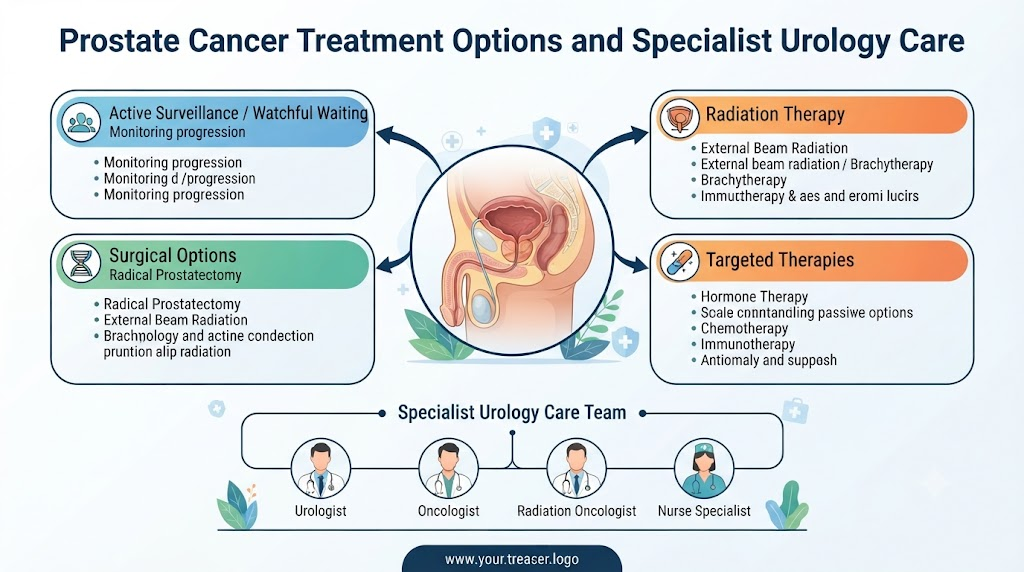
Prostate cancer represents one of the most frequently diagnosed malignancies among men. Treatment selection is guided by tumor stage, histological grade, risk classification, patient age, overall health status, and personal preferences.
For localized, slow-growing tumors, active surveillance may be chosen to monitor the disease without immediate intervention. When therapeutic action is indicated, options include radical prostatectomy, various external beam or brachytherapy radiation protocols, and systemic therapies such as hormone deprivation. Each therapeutic pathway involves careful consideration of potential benefits and side effects.
Enlarged Prostate Treatment
Benign prostatic hyperplasia involves the non-malignant enlargement of the prostate gland, which can compress the urethra and obstruct urine outflow. Enlarged prostate treatment ranges from watchful waiting for mild symptoms to pharmacological options that relax smooth muscle or reduce gland volume. If medical management fails to relieve lower urinary tract symptoms, minimally invasive procedures or surgical options like transurethral resection of the prostate are evaluated to restore normal urinary flow.
Urinary Tract Infection Treatment
Urinary tract infections occur when pathogens invade the urinary system, causing localized inflammation and discomfort. Standard urinary tract infection treatment involves targeted antibiotic therapy determined by urine culture and sensitivity testing. Patients experiencing recurrent infections undergo further diagnostic evaluations to uncover predisposing anatomical or functional anomalies. Early medical intervention prevents infections from ascending into the kidneys.
Bladder Cancer Treatment
Bladder cancer originates in the urothelial lining of the bladder and necessitates prompt specialized management. Bladder cancer treatment strategies depend on whether the malignancy is non-muscle invasive or muscle-invasive. Initial intervention frequently involves transurethral resection of the bladder tumor, sometimes supplemented by intravesical immunotherapy or chemotherapy. Advanced stages may require radical cystectomy alongside systemic therapies.
Robotic Urology Surgery
Technological advancements have integrated robotic platforms into contemporary surgical practice. Robotic urology surgery enables specialists to execute complex procedures with high magnification, three-dimensional visualization, and articulated instrument control through small incisions. This technology is frequently employed in radical prostatectomies, partial nephrectomies, and urinary reconstruction. While offering benefits such as reduced blood loss and shorter hospital stays, procedural success relies heavily on surgeon expertise and appropriate patient selection.
Choosing the Right Urology Hospital
Evaluating healthcare facilities requires careful examination of institutional capabilities and infrastructure. Patients considering urology hospitals should review factors such as:
- Presence of dedicated urology departments and advanced diagnostic imaging units
- Availability of comprehensive medical, minimally invasive, and surgical treatment modalities
- Qualifications and clinical experience of the resident urology specialists
- Multidisciplinary coordination for complex oncological care
- Institutional hygiene standards, patient safety metrics, and quality accreditations
- Emergency support services and structured follow-up care pathways
| Treatment Option | Common Use Case | Potential Benefits | Important Considerations |
| Active Surveillance | Low-risk localized conditions | Avoids immediate treatment-related side effects | Requires consistent, rigorous clinical monitoring |
| Medical Management | Symptom control and infection eradication | Non-invasive, outpatient-based routine | Requires strict adherence and side-effect monitoring |
| Minimally Invasive Procedures | Stone extraction and tissue reduction | Shorter recovery times and reduced discomfort | May not be suitable for highly complex anomalies |
Finding a Urologist Near You
Identifying an appropriate specialist involves verifying professional credentials, hospital privileges, and clinical focus. When searching for a urologist near me, patients should examine board certification, professional experience with specific urological conditions, and access to diagnostic facilities at the practitioner’s clinic. Seeking a second opinion is a standard practice when evaluating major surgical interventions.
| Factor | Why It Matters |
| Specialist Expertise | Ensures accurate diagnostic interpretation and tailored treatment planning. |
| Diagnostic Facilities | Facilitates prompt, precise evaluation without unnecessary delays. |
| Treatment Options | Offers access to both conservative medical therapies and surgical interventions. |
| Surgical Experience | Correlates with procedural accuracy and effective complication management. |
| Follow-up Care | Supports long-term recovery, monitoring, and ongoing health maintenance. |
Questions to Ask a Urologist
Engaging in a structured dialogue during a medical consultation empowers patients to understand their health status. Useful questions to discuss include:
- What is the precise diagnosis underlying my current symptoms?
- Are additional diagnostic investigations required before deciding on therapy?
- What treatment options are available, including non-surgical alternatives?
- What are the potential risks, benefits, and expected recovery timelines for each option?
- How will the proposed treatment impact my daily activities and long-term health?
- What kind of follow-up care will be necessary after the procedure?
When to Seek Medical Attention
Certain urological presentations require immediate or urgent evaluation. Patients should seek prompt medical care if they experience:
- Sudden, complete inability to urinate or severe urinary retention
- Intense, unrelenting flank or abdominal pain
- High fever accompanied by chills and urinary symptoms
- Substantial, visible hematuria in the urine
- Rapid escalation of infection symptoms
Practical Tips for Preparing for a Urology Consultation
Preparing adequately for a specialist appointment ensures a productive clinical visit. Patients should organize a comprehensive medical history, list all current prescription and over-the-counter medications, gather previous laboratory reports and imaging films, and write down a chronological summary of their symptoms. Clear preparation facilitates effective communication with the healthcare provider.
Common Challenges in Urological Healthcare
Navigating urological conditions often presents hurdles such as delayed diagnosis resulting from overlapping symptoms, difficulty comprehending technical medical terminology, emotional anxiety regarding surgical procedures, and challenges in comparing multiple therapeutic options. Addressing these obstacles through reliable education and open dialogue with specialists supports informed decision-making.
Best Practices for Patients
To promote favorable health outcomes, patients are encouraged to follow established clinical best practices:
- Avoid ignoring persistent urinary symptoms or visible hematuria.
- Seek professional medical evaluation promptly if symptoms persist or deteriorate.
- Maintain an organized file of all diagnostic reports and medical records.
- Adhere strictly to prescribed treatment protocols and attend all scheduled follow-up visits.
- Obtain a second opinion when facing major therapeutic or surgical decisions.
Frequently Asked Questions
What conditions are managed within urology hospitals?
Urology hospitals handle a wide spectrum of disorders affecting the urinary tract and male reproductive organs, including kidney stones, urinary infections, prostate enlargement, and urological malignancies.
When is a referral to a urologist warranted?
Primary care physicians typically refer patients to a urologist when persistent symptoms like blood in the urine, recurrent infections, elevated PSA levels, or structural abnormalities require specialist evaluation.
Do all kidney stone diagnoses require surgical intervention?
No. Many small kidney stones pass spontaneously with increased fluid intake and medication, whereas larger or obstructing stones require specialized urological procedures.
What distinguishes an enlarged prostate from prostate cancer?
An enlarged prostate is a benign condition common with aging, whereas prostate cancer involves malignant cell growth. Both conditions share similar urinary symptoms, necessitating diagnostic testing to differentiate them.
How does robotic-assisted urology surgery function?
Robotic systems provide surgeons with enhanced visualization and precise instrument control through small incisions, facilitating complex urological operations.
What documents should be brought to an initial urology visit?
Patients should bring a detailed symptom log, a list of current medications, previous clinical notes, and relevant imaging studies or laboratory reports.
Can lifestyle modifications assist in managing urological health?
Yes. Adequate hydration, balanced nutrition, regular physical activity, and avoiding smoking support overall urinary tract function and reduce certain risk factors.
Why is post-treatment follow-up care essential?
Follow-up visits enable specialists to monitor recovery, evaluate treatment efficacy, manage side effects, and identify any condition recurrence early.
Conclusion
Managing urological health requires an understanding of underlying conditions, diagnostic pathways, treatment options, and specialist care. By engaging with qualified professionals through established urology hospitals, patients can receive accurate assessments and personalized management plans. While this guide provides educational insights into urological healthcare, individual health decisions must always be made in consultation with a qualified medical professional based on thorough personal assessment and clinical diagnosis.
